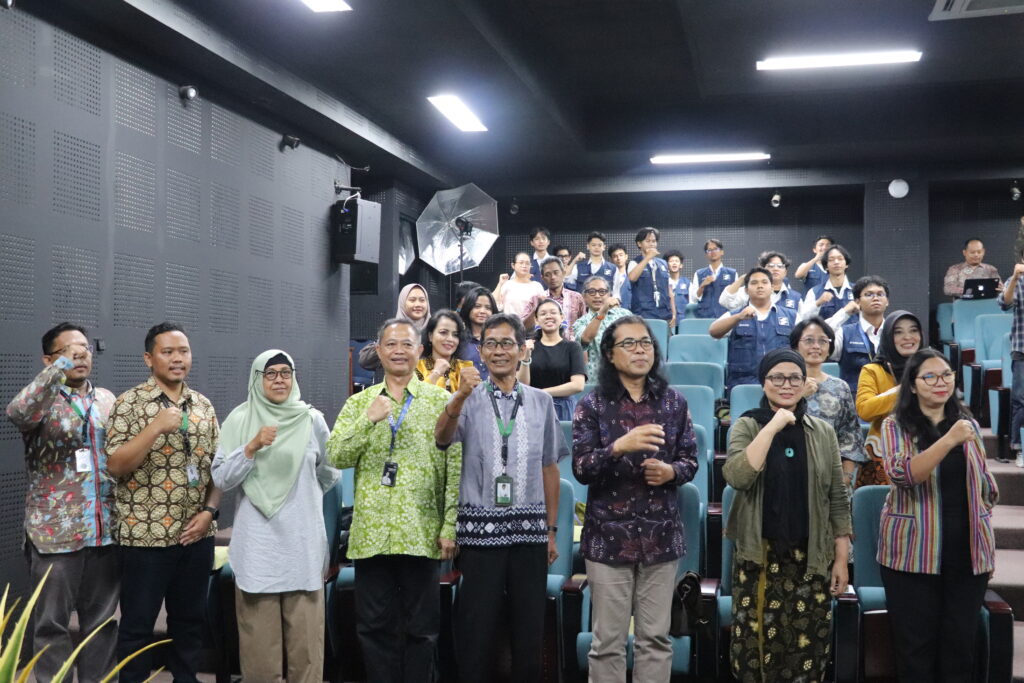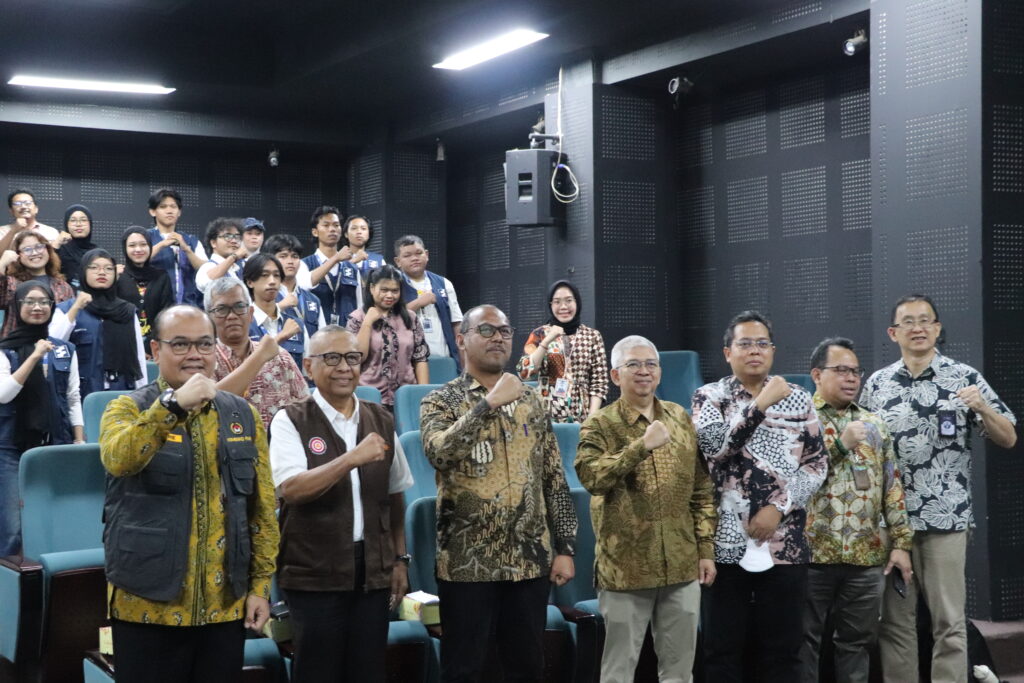


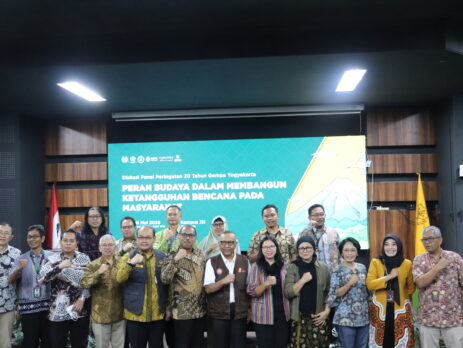
Yogyakarta, May 8, 2026 — The Indonesian Institute of the Arts (ISI) Yogyakarta, together with the Coordinating Ministry of Human Development and Cultural Affairs of the Republic of Indonesia, is holding a Panel Discussion commemorating the 20th Anniversary of the Yogyakarta Earthquake with the theme “The Role of Culture in Building Disaster Resilience in the Community,” on Friday, May 8, 2026, in the Audio Visual Room on the 3rd Floor, Faculty of Visual Arts ISI Yogyakarta.
This activity serves as an important space for reflection, emphasizing that art and culture are not merely mediums of expression but also social forces capable of building awareness, healing trauma, preserving collective memory, and strengthening community preparedness in facing disasters.
The Rector of ISI Yogyakarta, Dr. Irwandi, S.Sn., M.Sn., in his welcoming remarks emphasized that the 20th anniversary of the Yogyakarta Earthquake is not only a moment to remember the major event that once affected the community, but also an opportunity to strengthen the role of art higher education institutions in addressing humanitarian issues.
“ISI Yogyakarta views art and culture as living forces within society. In the context of disaster management, art can serve as a language of recovery, a medium for education, and a way for communities to preserve memory and build resilience. As a higher education institution for the arts, ISI Yogyakarta has an academic and cultural responsibility to present knowledge, works, and creative practices that have a positive impact on life,” said the Rector.
According to the Rector, Yogyakarta has a strong historical experience in facing disasters. The 2006 earthquake left scars, but it also gave birth to solidarity, resilience, and various cultural practices that helped the community recover. Therefore, ISI Yogyakarta positions art as an important part of humanitarian work, public education, and strengthening social resilience.
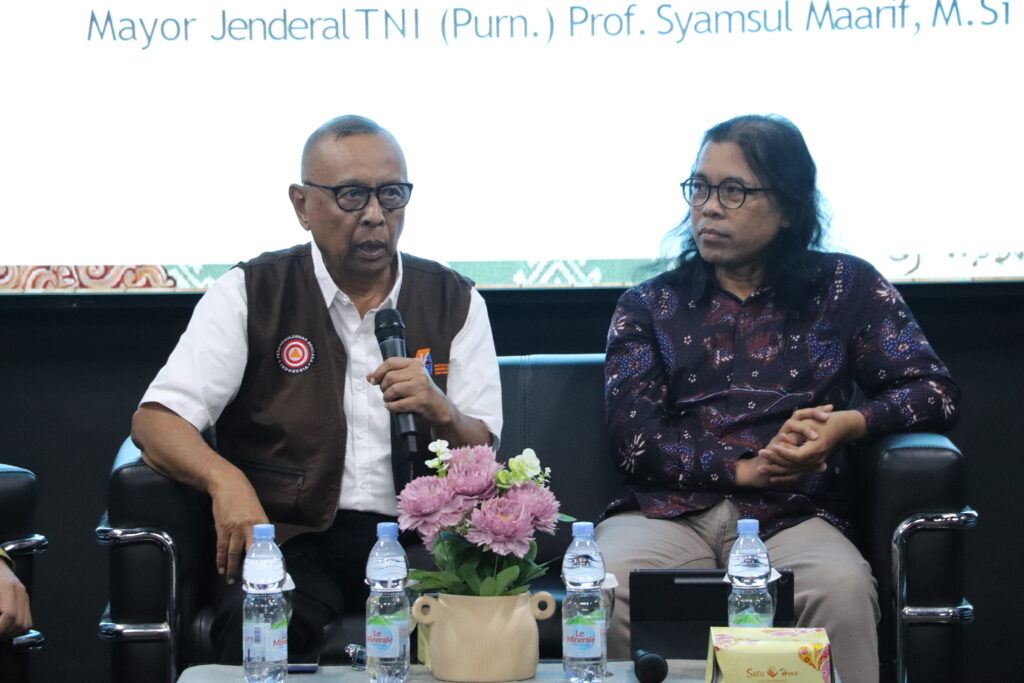
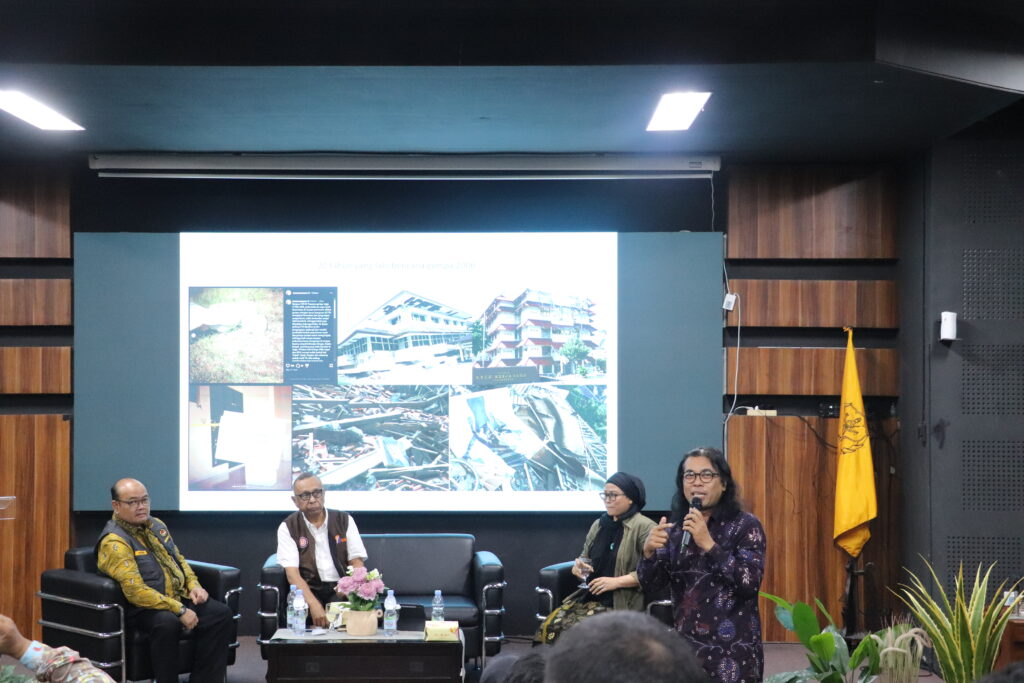
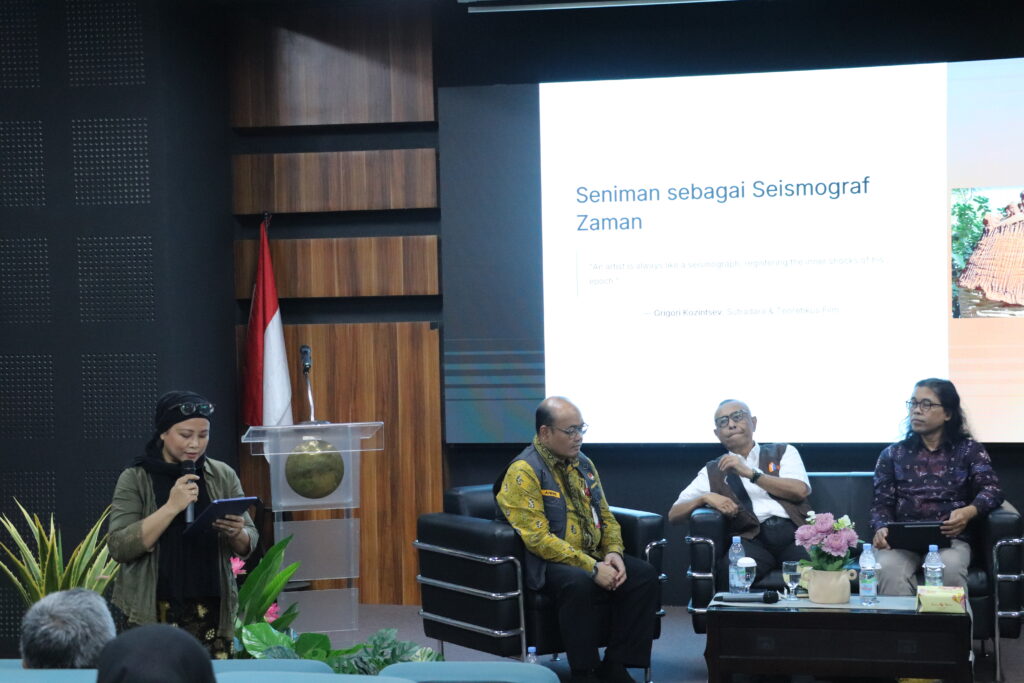
This event featured several speakers who discussed disaster from the perspectives of art, culture, collective memory, and social transformation. Dr. Mikke Susanto, M.A. presented material on “Art and Disaster,” emphasizing that art has a strategic function as a medium for emotional expression, a tool for social reconstruction, a cultural archive, an instrument for criticism and advocacy, and a strategy for culture-based mitigation. In his presentation, art was positioned as an important domain in emotional recovery, cultural preservation, disaster representation, and the social transformation of communities.
Meanwhile, Prof. Dr. Syamsul Maarif, M.Si. highlighted the importance of building collective disaster memory within Indonesian society. This perspective emphasizes that disaster memories need to be preserved not to prolong wounds, but to strengthen awareness, preparedness, and social solidarity.
Artist and graduate of the ISI Yogyakarta Postgraduate School, Endang Lestari, S.Sn., M.Sn., presents an artistic reading through the concept of “Art as a Cultural Seismograph.” Through artistic practices based on earth materials, terracotta, sound, and ritual, Endang demonstrates how art can become an alternative archive that records the trauma, regeneration, and vitality of post-disaster communities.
In the forum, Dr. Andre Notohamijoyo, S.Sos., MSM., Assistant Deputy for Disaster Risk Reduction at the Coordinating Ministry for Human Development and Cultural Affairs, also emphasized the importance of culture in building disaster resilience. He stated that disaster approaches cannot solely rely on physical infrastructure and technical policies, but must also touch upon social and cultural dimensions, as well as how communities interpret disaster experiences.
Through these activities, ISI Yogyakarta strengthens its position as an arts higher education institution that not only plays a role in developing aesthetics and creating works, but also in knowledge production, community education, and strengthening culture as the foundation of national resilience. This forum also demonstrates ISI Yogyakarta's contribution in bringing together academics, artists, government, and students to discuss national strategic issues through the perspective of art and culture.
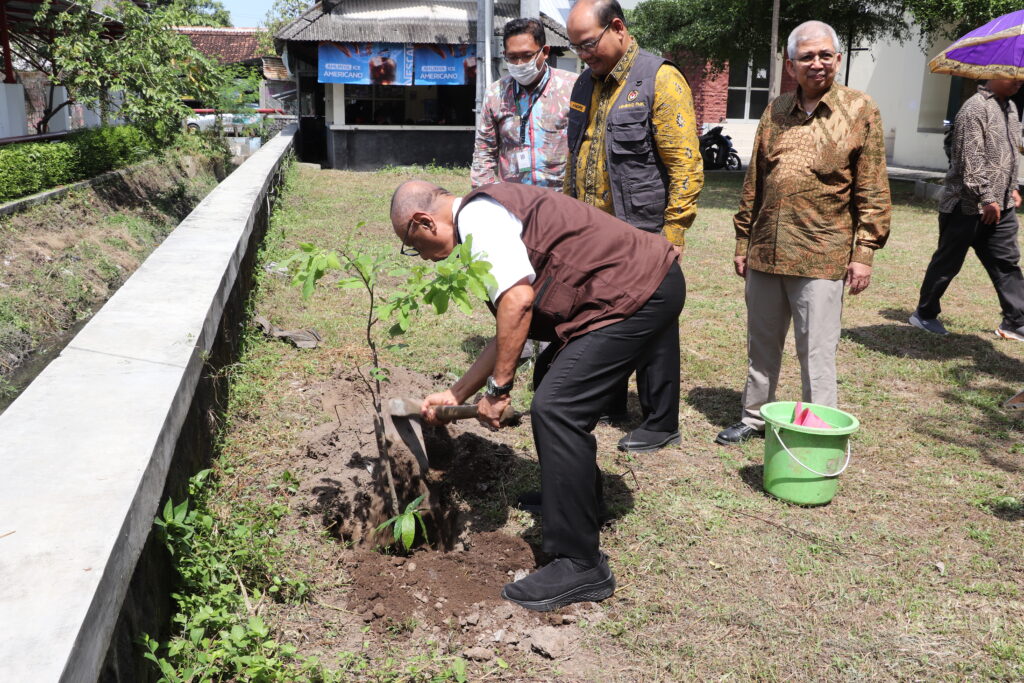
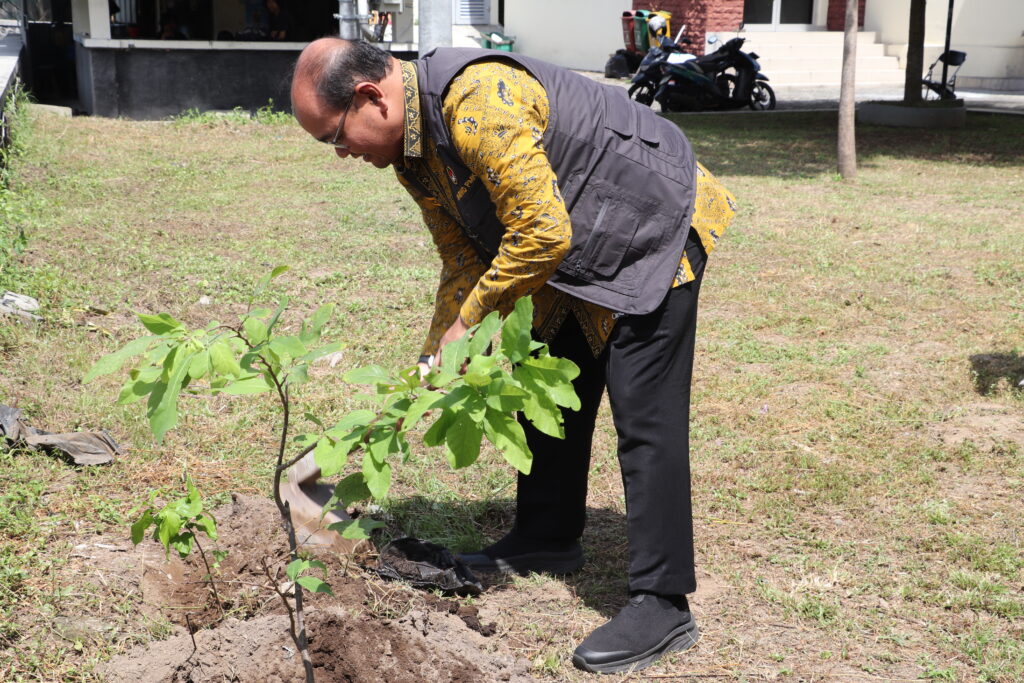
This panel discussion is also part of ISI Yogyakarta's commitment to continuously provide an art campus that is relevant to the challenges of the times. Art, in this context, does not stop at being a work to be enjoyed, but serves as a driving force to foster disaster awareness, strengthen public empathy, build spaces for recovery, and open new possibilities for a more resilient society.
As the host, ISI Yogyakarta places this forum as an academic and cultural momentum to broaden the scope of art higher education institutions' roles in humanitarian issues. With the interdisciplinary strengths of visual arts, performing arts, recorded media arts, art management, and cultural studies, ISI Yogyakarta continues to foster the emergence of ideas, works, and collaborations that can make a tangible contribution to society.
The panel discussion concluded with the hope that art and culture will be increasingly integrated into educational, mitigation, rehabilitation, and post-disaster recovery programs. From Yogyakarta, ISI Yogyakarta emphasized that higher education in the arts plays a strategic role in building a society that is not only resilient to disasters but also capable of rising, nurturing life, and shaping the future through the power of culture.