


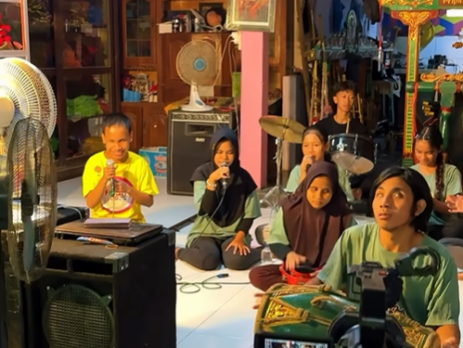
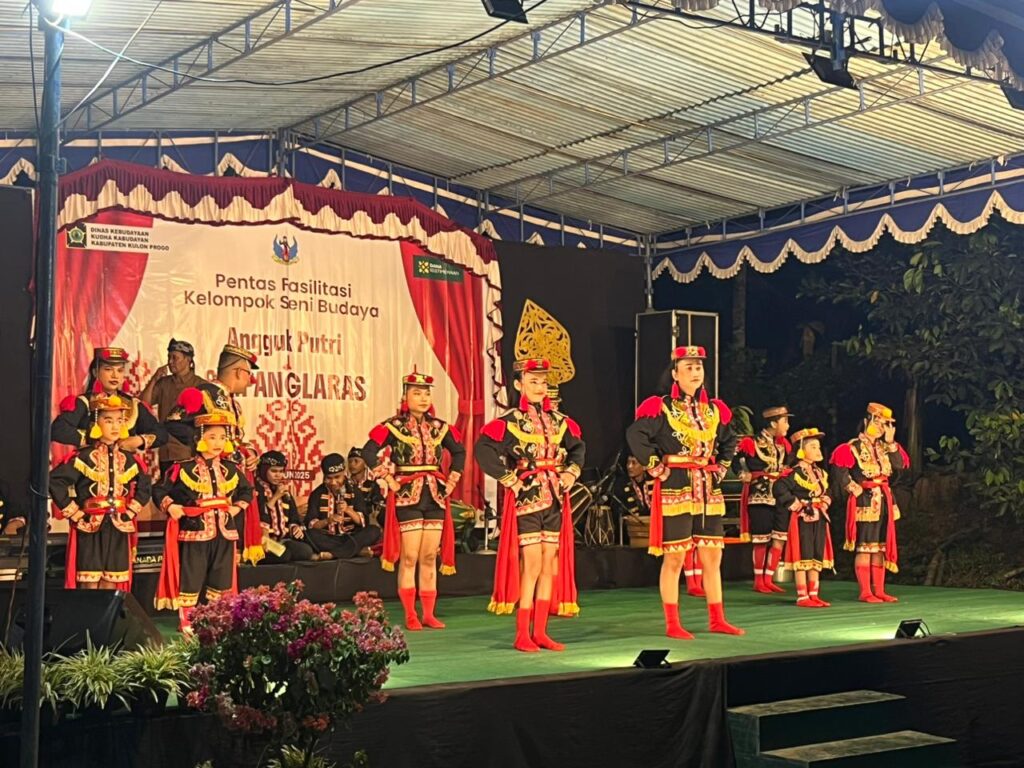
Yogyakarta, December 10, 2025-Institut Seni Indonesia (ISI) Yogyakarta again showed its concern for the development of inclusive arts through research documentation activities at Sanggar Sripanglaras, Kulon Progo. The ISI Yogyakarta research team had the opportunity to meet directly with teachers and people with disabilities who actively practice Angguk dance, an experience that opened up space for deep reflection on the meaning of art as a medium for humanity.
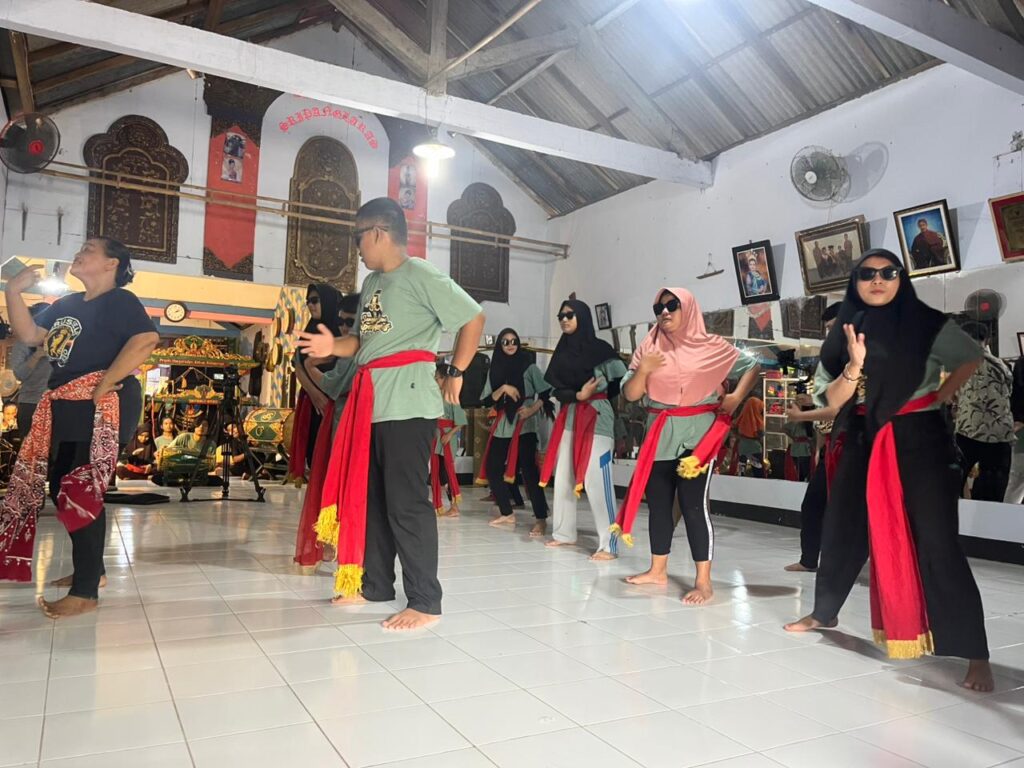
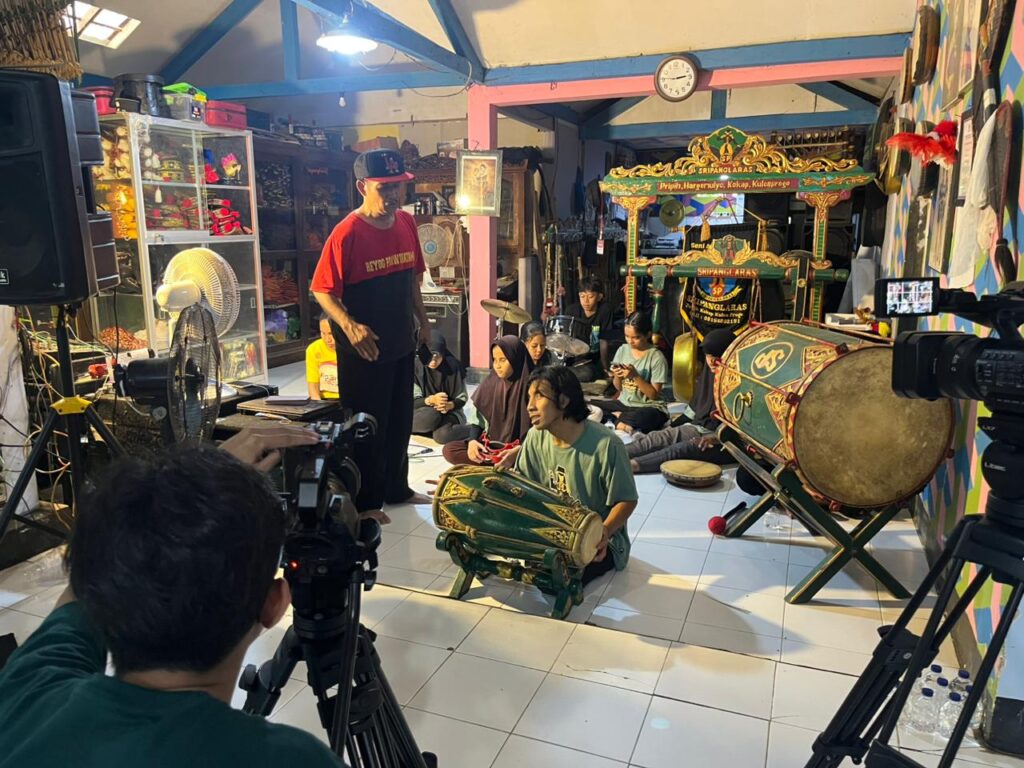
During the visit, the team witnessed an unusual rehearsal dynamic: blind musicians accompanying deaf dancers. A situation that generally requires visual and musical precision is transformed into a more subtle and intuitive form of sensory communication. The dancers rely on their sensitivity to vibration and rhythm, while the musicians play the beat with empathy. This collaboration results in a harmony born of mutual understanding, not just technique.
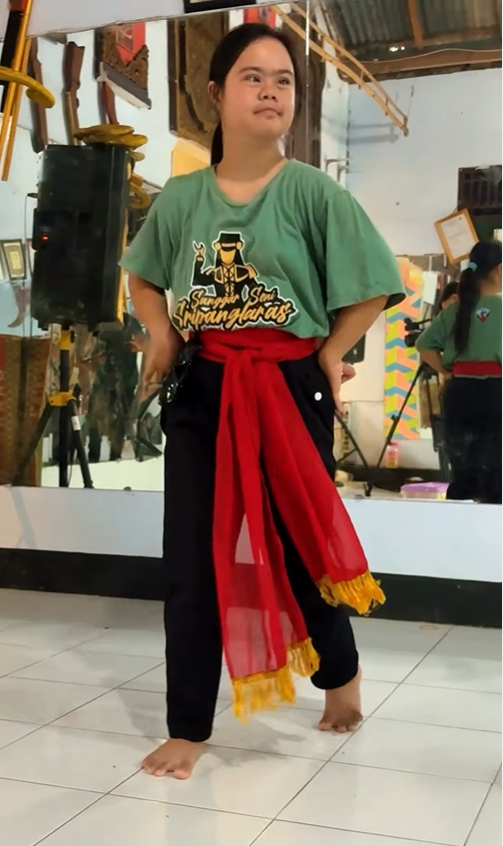
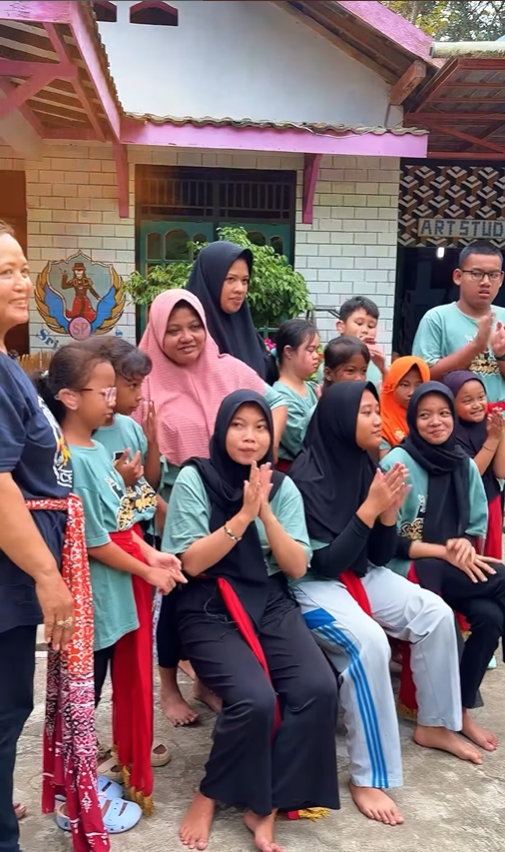
The creative process is proof that limitations are not a barrier to work, but rather a foundation for the birth of artistic innovation. Sripanglaras shows how art can bridge differences, present an inclusive learning space while strengthening human values. For the ISI Yogyakarta research team, this experience is also a turning point in interpreting inclusive art practices in society.
“Seeing them work with passion is a valuable lesson. You are an inspiration to many, keep working and shining,” said one of the researchers after the documentation session.
Through this activity, ISI Yogyakarta emphasized its commitment to continue to encourage art research that is oriented towards community empowerment, especially groups with disabilities. The Institute also expressed its appreciation to LPPM ISI Yogyakarta, Sanggar Sripanglaras, and the Department of Ethnomusicology for the cooperation that made this research possible.
The results of the documentation are expected to be a reference for the development of inclusive art practices in the academic environment and the art community, while strengthening ISI Yogyakarta's reputation as an institution that encourages diversity, social sensitivity and cultural innovation.


 EN
EN  ID
ID