


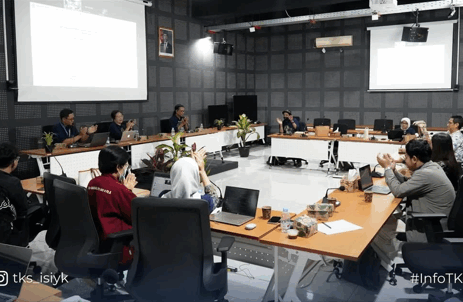
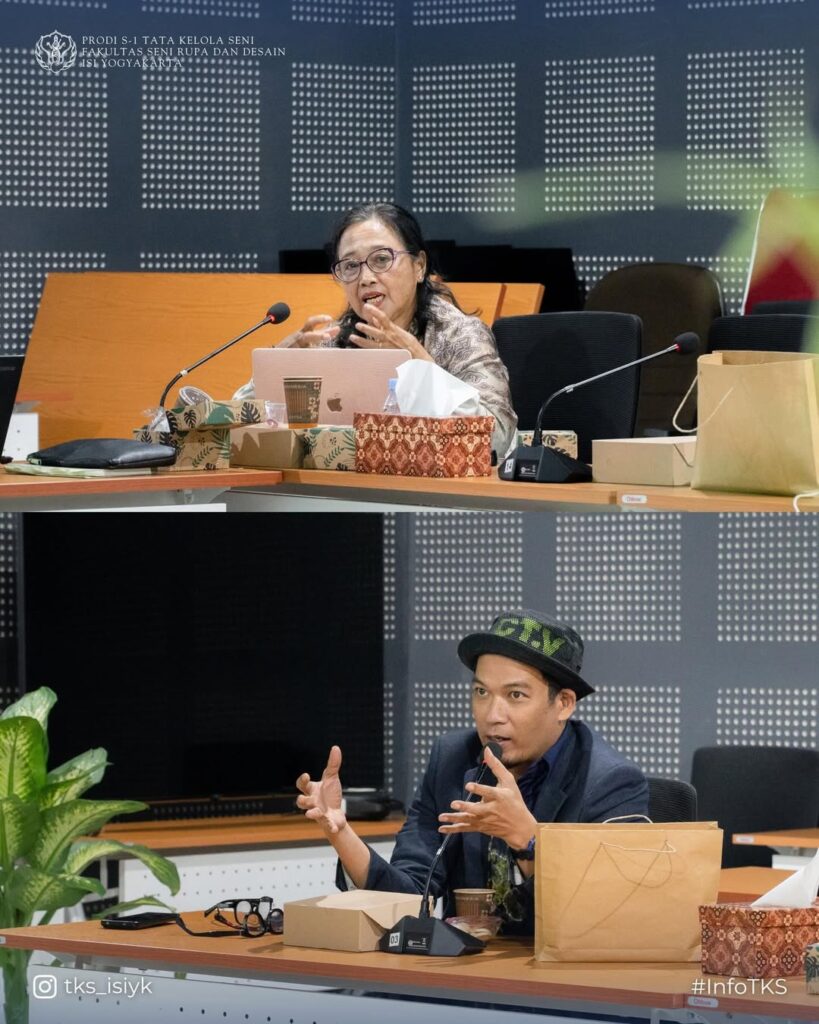
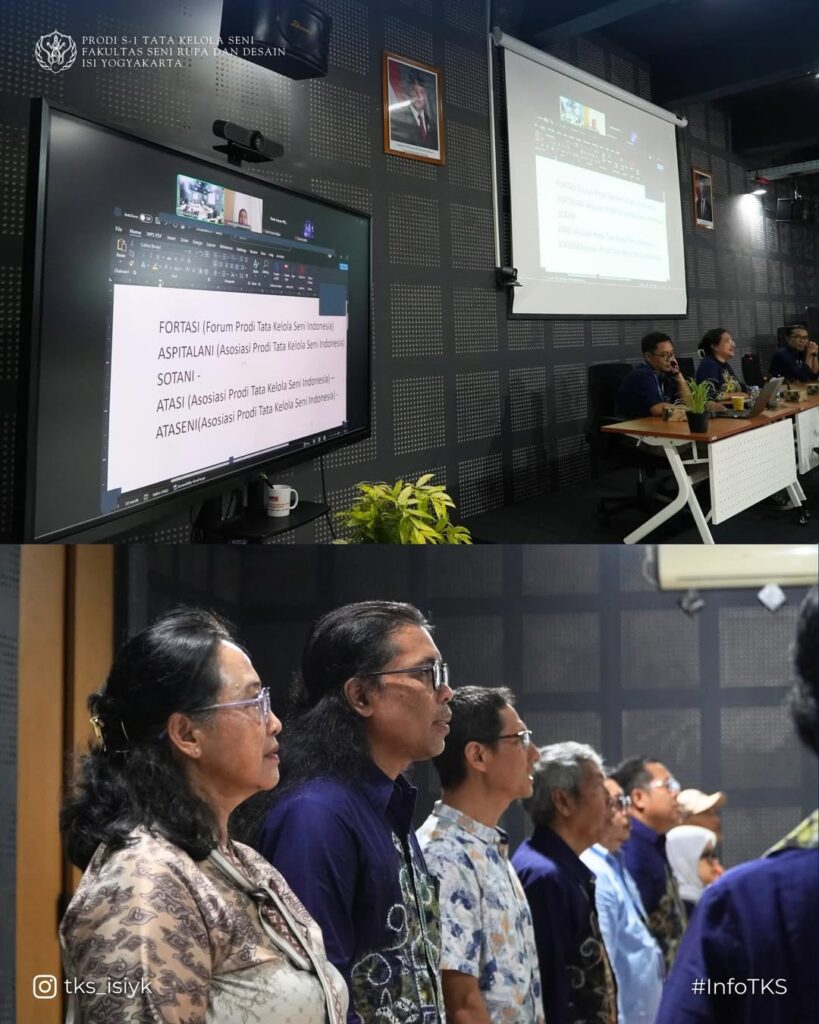
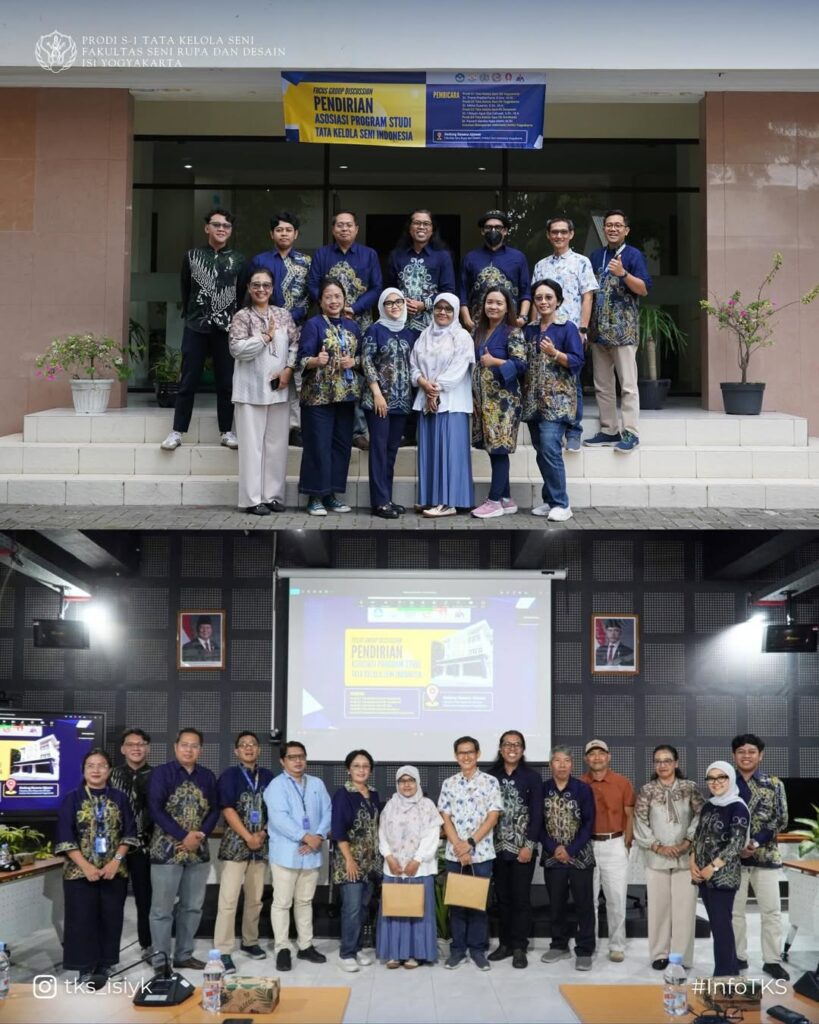
Yogyakarta December 1, 2025 - Efforts to strengthen arts governance in Indonesia have entered a new phase with the official establishment of the Association of Indonesian Art Management Study Programs (ATASI). The declaration was made in a Focus Group Discussion (FGD) meeting at Sasana Ajiyasa, Faculty of Fine Arts and Design (FSRD) ISI Yogyakarta, by presenting representatives of three state art universities that have been pioneers in the scientific development of art governance in the country.
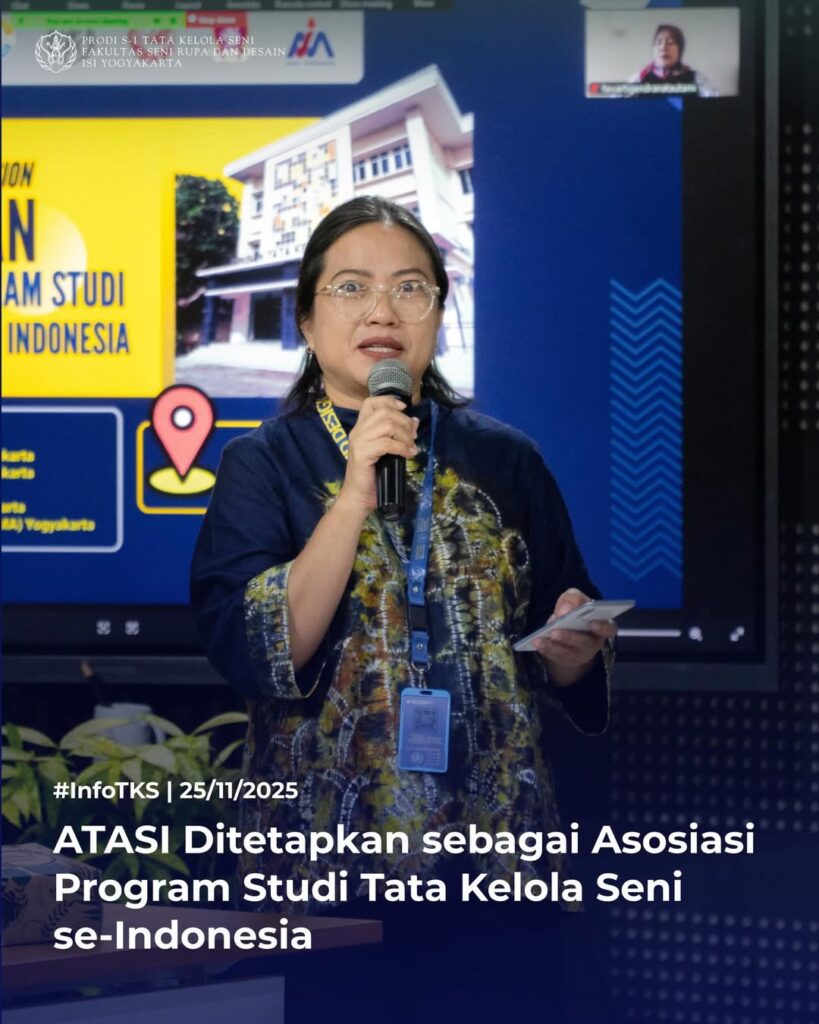
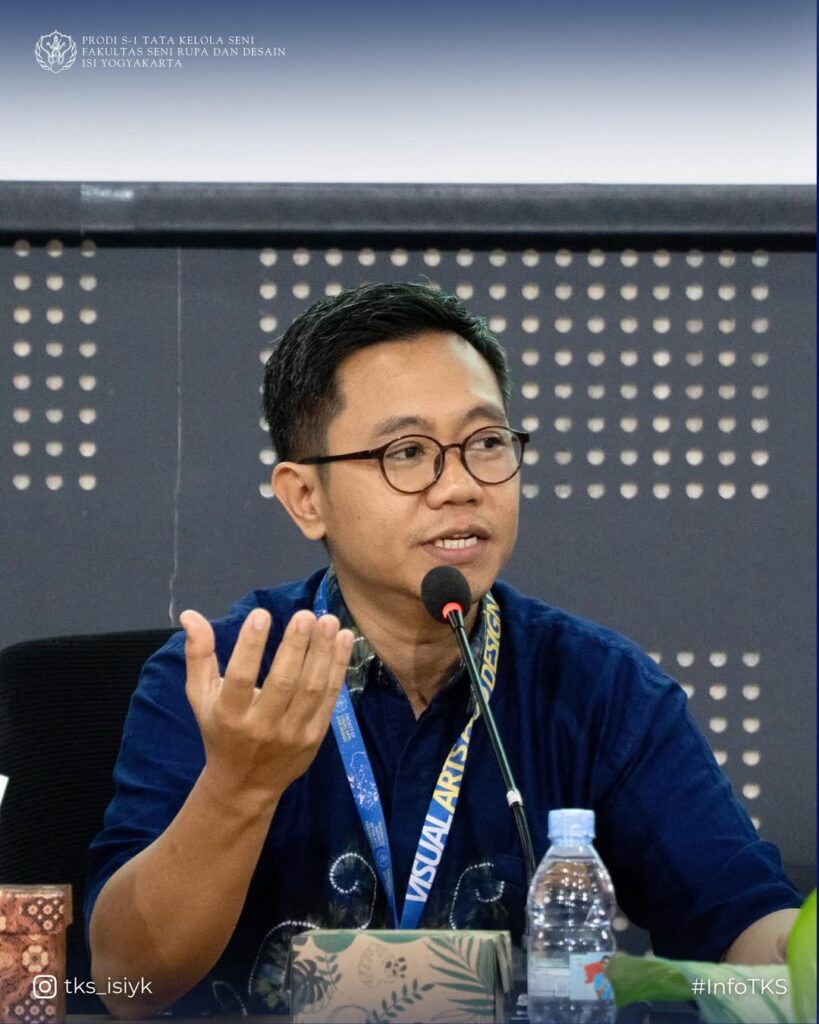
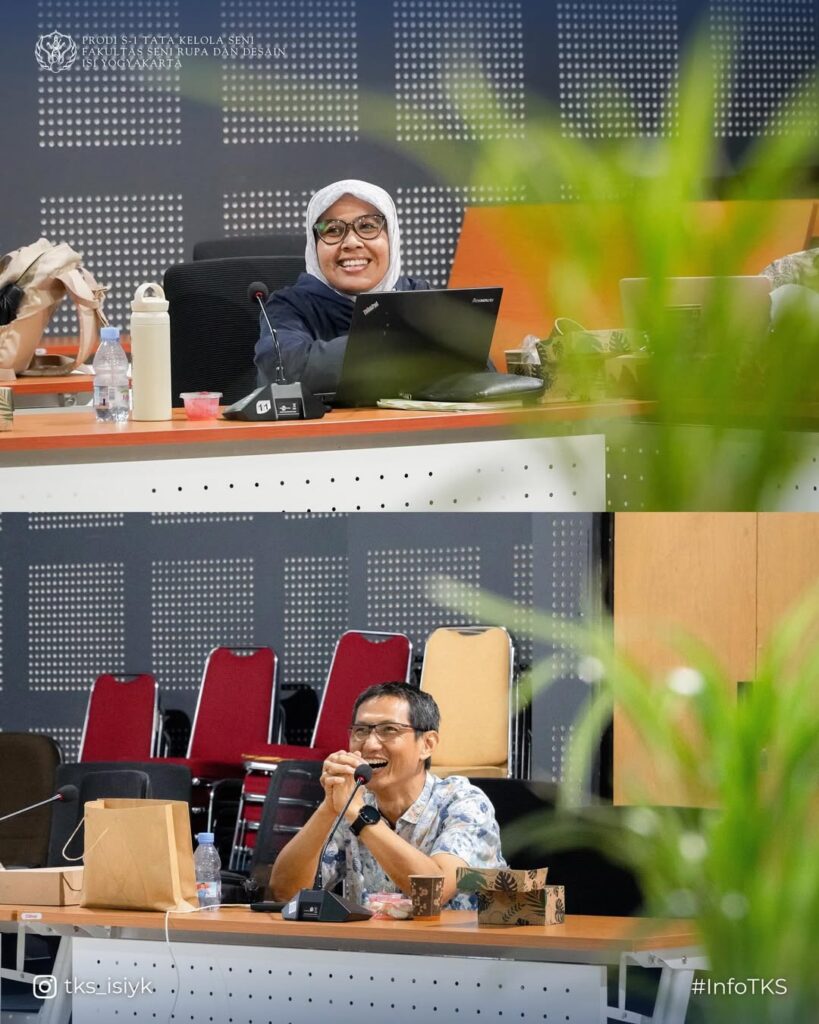
The FGD brought together academics from ISI Yogyakarta, ISI Surakarta, and ISI Bali, as well as assistance from the Indonesian Management Association (AMI). The meeting became a strategic momentum to unite the vision and direction of the development of the field of art governance, which is still relatively new but increasingly needed by the national art ecosystem.
Until now, only three public art universities have Arts Governance study programs, namely:
- D4 Art Management - ISI Surakarta,
- S1 and S2 Arts Management - ISI Yogyakarta, and
- Master of Arts Management - ISI Bali.
This limited number shows that the science of arts governance is still in its infancy. However, the need for professionals in the fields of cultural management, arts management, cultural policy, and creative ecosystem development continues to increase. ATASI was formed as a forum to consolidate these strengths while encouraging the real contribution of universities to the national arts and culture sector.
ATASI comes with a broader mandate than just an academic coordination forum. The association will be a space for curriculum collaboration, knowledge exchange, joint research, teaching quality improvement, and advocacy for arts and cultural policies.
The existence of this association is also expected to be able to bridge the needs of the professional world, art institutions, government, and society for higher quality, transparent, and adaptive governance.
During the meeting, the three universities agreed that strengthening the national art ecosystem requires collective contributions, especially in building competency standards, art management literacy, and the readiness of human resources who understand the dynamics of contemporary culture.
Through a deliberation process, the initial ATASI board was established as follows:
Chair: Dr. Arinta Agustina (ISI Yogyakarta)
Vice Chair: Dr. I Wayan Agus Eka Cahyadi (ISI Bali) and Dr. Fawarti Gendra Nata Utami (ISI Surakarta).
Secretary General: Dr. Trisna Pradita (ISI Yogyakarta)
This management will carry out the task of formulating work programs, preparing organizational regulations, as well as preparing ATASI's strategic agenda in the first year. The formation of ATASI is welcomed as a step forward for the world of art education in Indonesia. With this association, it is hoped that a joint movement will emerge that can improve the quality of governance of art institutions, festivals, galleries, creative communities, and local government institutions that handle culture.
In addition to strengthening academic collaboration, ATASI is also expected to be a bridge between theory and practice, so that graduates of the Arts Governance study program can increasingly play a role in the cultural industry, non-profit institutions, and the public sector.
After the declaration, the ATASI board will finalize organizational documents, develop a communication platform, and prepare a collaborative work agenda across campuses. Programs such as national seminars, collaborative research, competency standards, and international cooperation have been included in the initial discussion. The formation of ATASI marks the commitment of art universities to continue strengthening their contribution to the advancement of Indonesia's cultural ecosystem, as well as proof that the development of arts governance is a strategic necessity in building a creative, inclusive and sustainable civilization.
Doc. FSRD Public Relations


 EN
EN  ID
ID